Find your favourite train at Nagoya’s SCMAGLEV and Railway Park
Publication date: 3 November 2026 / Information checked: 2 November 2026
While waiting for a Shinkansen at Nagoya Station, have you ever noticed the shape of its nose? A rounded front, a long taper, a row of windows: you can start looking without knowing a single model number. For a visit to SCMAGLEV and Railway Park, pick one train you would like to examine more closely and let the day grow from there.
Here is an imagined planning example, not an account of a real visit. Two adults and an elementary-school child are going together: the child wants to try driving, while an adult is curious about seats on older Shinkansen trains. Giving each person one priority makes it easier to decide what to do first and what can wait until another trip.
Let one train give the visit a direction
Near the entrance, the symbol display brings together a steam locomotive, a Shinkansen test vehicle and a superconducting maglev vehicle. Pause there, then follow a detail into the main displays. If you chose the front of a train, compare it from the side as well. If seats interest you, look through windows or enter only where access is permitted. One small focus can make a large exhibition hall easier to navigate.
Read the label of a vehicle that catches your attention, then look at it again. Was it made for commuting or for carrying people farther and faster? Connecting the design with its purpose may be more memorable than learning its model number. Keep the viewing order flexible and follow staff directions when an area is busy.
Look, explore an explanation, then look again
A useful route is to see the real vehicles, explore the railway technology displays or superconducting maglev room, and return to a favourite train. Seeing the scale of a vehicle first gives you something concrete to ask about. What changes between running on rails and travelling by magnetic levitation? Start reading wherever your curiosity takes you.
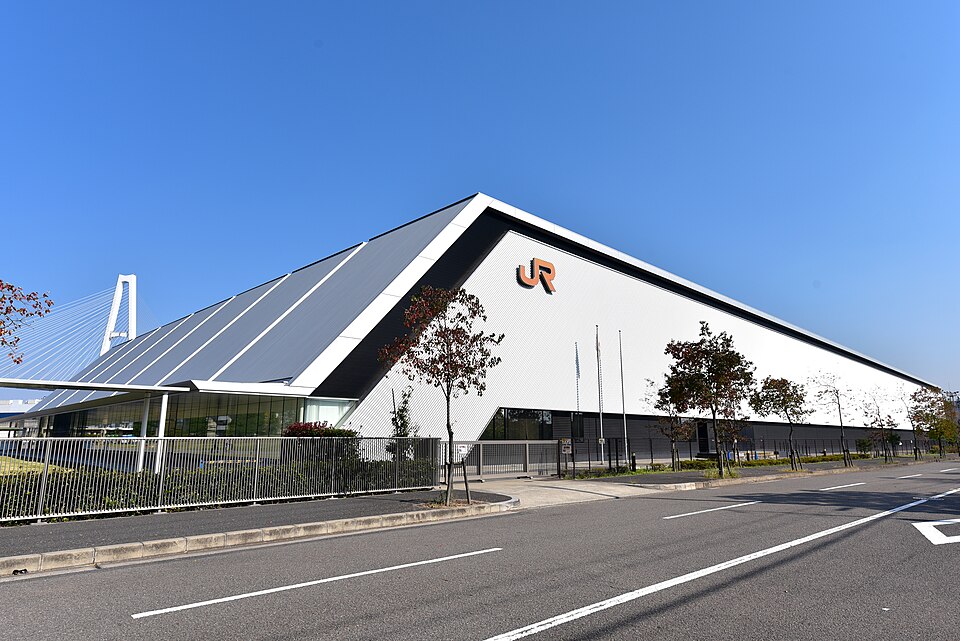
If the railway diorama is a priority, check its operation on the day and arrange the other displays around it. Leave space to read rather than adding another stop automatically. Check signs for access to individual vehicles. The archive photographs here show the exterior, not the current layout or which vehicle interiors are open.
Keep simulators optional
The N700 Shinkansen simulator costs ¥500 for approximately 15 minutes; the conventional-train driving simulator costs ¥100 for approximately 10 minutes. Tickets are sold on a first-come basis and sales end when the available allocation is gone. If a simulator matters to you, check availability after admission and arrange the displays around any slot you obtain.
In the imagined family example, there are two possible routes: use any simulator slot as the anchor, or visit the child’s chosen train first if no tickets remain. Check sales after admission and move the other displays around an available slot. This article does not reserve a simulator or provide priority entry, so leave yourself a satisfying plan that works without one.
Allow for the connection at Nagoya Station
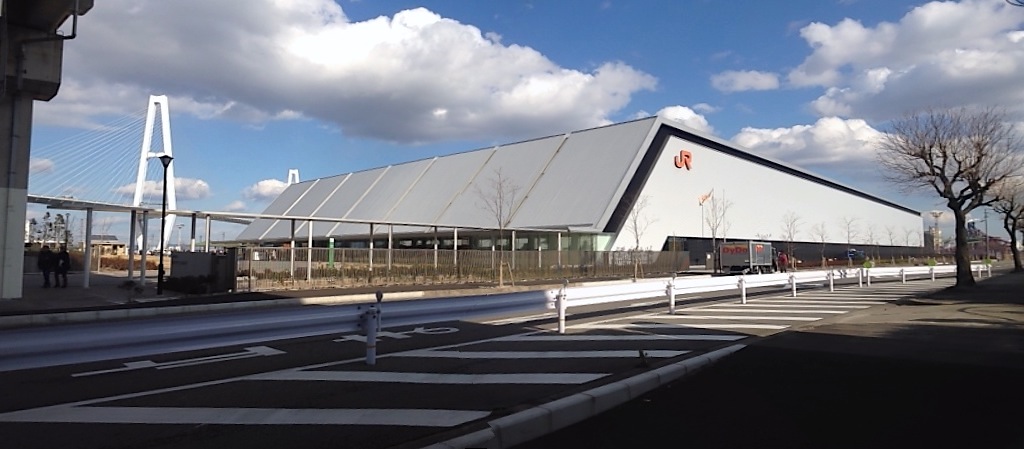
The official access guide gives approximately 24 minutes on the Aonami Line from Nagoya to Kinjō-futō, followed by about a two-minute walk to the museum. The ordinary one-way fare is ¥360 for an adult and ¥180 for a child. Add time to reach the Aonami platform and wait for a train; the 24 minutes is not the total time from stepping off a Shinkansen to entering the museum.
For selected displays, allow two to three hours inside, with separate time for the return journey and connections. This is our planning suggestion, not an official standard duration. Reading in detail or adding a simulator will take longer. When choosing a return Shinkansen, remember the walk from the museum to the station as well as the train ride into Nagoya.
Suggested sequence: Nagoya Station → Aonami Line → Kinjō-futō → walk to the museum → real vehicles → technology displays → return to a favourite train → station. If tired, leave out the final return to a vehicle. A tempting attraction nearby can become an idea for another trip rather than one more obligation today.
Separate admission, transport and food
| Visitor category | Admission | Budget note |
|---|---|---|
| Adult | ¥1,200 | Transport, food and simulator tickets are extra |
| Elementary, junior-high and high-school students | ¥500 | Railway fare categories differ |
| Preschool children aged 3 or over | ¥200 | Check the railway’s accompanying-child rules separately |
For one adult returning to Nagoya Station without a paid simulator, admission plus rail fares is ¥1,200 + ¥360 × 2 = ¥1,920. Add an estimated ¥1,000–1,500 for food and drink for a total of ¥2,920–3,420. One N700 simulator ticket adds ¥500. The food amount is an estimate, not a quoted restaurant price. Travel to Nagoya, accommodation and shopping are excluded.
Putting a number on the imagined family outing, two adults and one elementary-school child pay ¥2,900 in standard admission and ¥1,800 in return Aonami fares: ¥4,700 before food or simulators. Start with that base, then add any experience tickets you obtain. High-school students pay student admission at the museum but an adult railway fare, so calculate the two services separately.
3 November is scheduled to open; 4 November is closed
The official 2026–27 calendar marks Tuesday 3 November 2026, a public holiday, as open, and Wednesday 4 November as closed. The usual closure is Tuesday, moving to the following day when Tuesday is a public holiday. Hours are 10:00–17:30, with last admission at 17:00. The stated year-end closure is 28 December–1 January. Recheck the calendar and notices before travelling because temporary changes remain possible.
The official visitor page also links to date-specific online admission tickets. Admission and the separately sold simulator tickets are different products. Read the selected date and purchase, change or cancellation conditions on the seller’s screen before deciding; the date in this article is not a purchase guarantee.
Keep an easy exit from the plan
Rain can be a reason to focus on the indoor displays, but the station walk and outdoor parts are not a completely dry route. In severe weather, open the railway operation page and museum notices before leaving. If either is disrupted, skip Kinjō-futō that day and shorten the outing with food or a rest on the Nagoya Station side.
Eat only in designated places and do not climb on or handle exhibits roughly. Personal photography also has location and equipment restrictions; follow the current visitor rules. Both photographs here are archive exterior views, not evidence of the current interior arrangement or opening status.
Official checks before departure
Fees, dates, transport and visitor conditions were checked against these official sources on 2 November 2026. This is not a personal visit report. The family scene is hypothetical; viewing order, time allowances and food costs are suggestions or estimates. Check current availability and services again before setting out.