日本語 / English
KAMAKURA / ENOSHIMA, KANAGAWA / COMPARE TRANSPORT COSTSIs Enoden’s Noriorikun worth it? Compare the ¥800 day pass with your actual fares
The Noriorikun day pass is an option when you plan several Enoden rides. But for a simple return journey between Kamakura and Hase, ordinary fares cost less. Add up the fares for the journeys you actually intend to make before deciding whether the ¥800 pass is good value.
This is a researched fare comparison, not a firsthand travel account. Prices and conditions come from official information checked on the date above. Differences are our calculations; routes and advice are our suggestions.
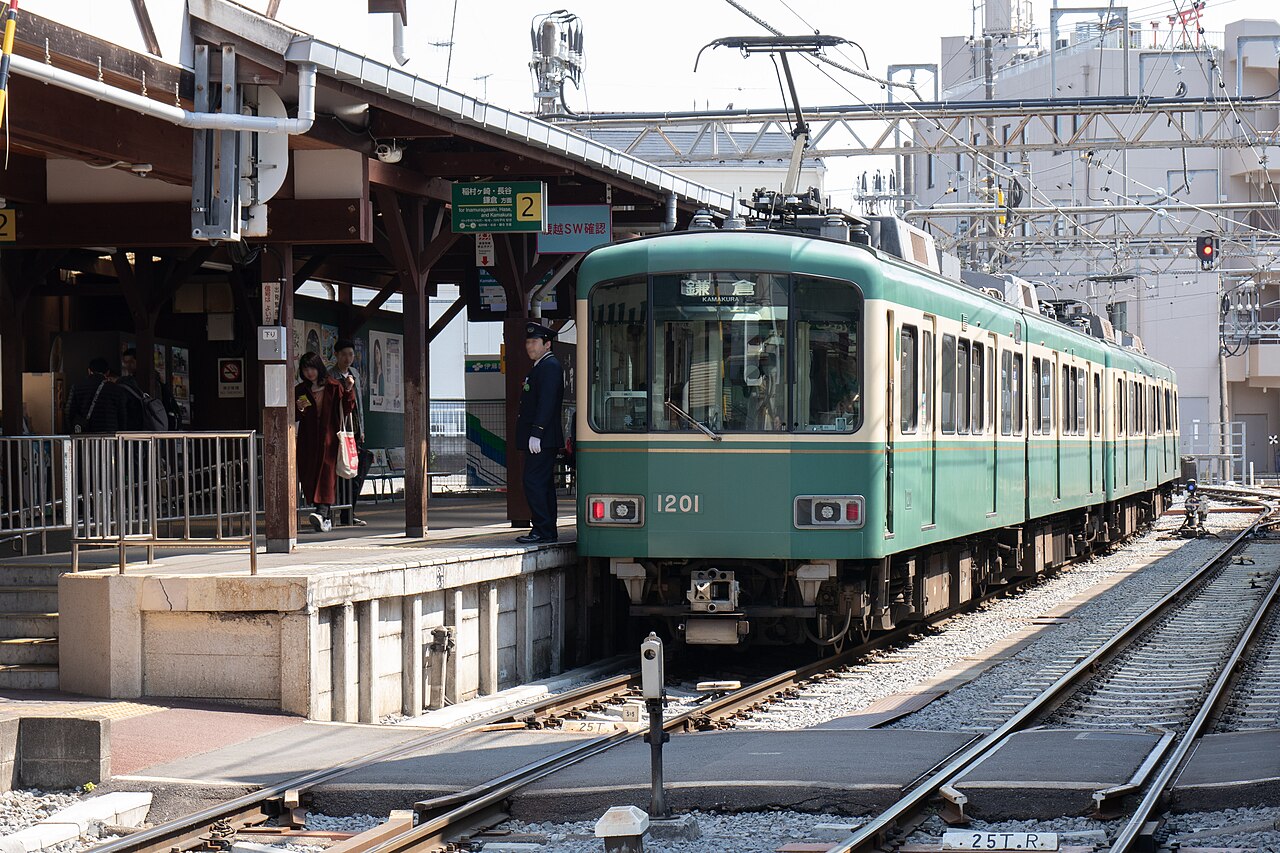
- The pass costs ¥800 for adults and ¥400 for children and covers unlimited Enoden train rides for one valid day.
- For an adult, ordinary fares must total more than ¥800 for the pass to save money on transport alone.
- A total of exactly ¥800 means the same cost. Four short rides do not necessarily produce a saving.
- Kamakura–Hase return costs ¥400 in ordinary adult fares, ¥400 less than the pass.
An Enoden day ticket, not a 24-hour pass
The regular Noriorikun costs ¥800 for adults and ¥400 for children. It covers unlimited rides across the Enoden train line between Fujisawa and Kamakura on its valid day. The official paper-ticket guide says it is valid only on the date of issue. It is not valid for 24 hours from the time you buy it.
The regular pass does not cover JR, Odakyu, the Shonan Monorail or buses. Budget separately for reaching Kamakura or Fujisawa, temple and attraction admissions, and food. Participating facilities offer benefits, but the ticket does not include all attraction admission fees.
Availability and eligibility: official sales information was available on 26 October 2026. The referenced regular-ticket information does not list a sales end date, blackout dates, or nationality/residence restrictions. We are not presenting it as a limited-time sale or a pass exclusively for overseas visitors. Before travel, check for changed conditions and the day’s train service status.
Compare four examples using the same day and fares
The table compares one adult travelling on the same day at ordinary fares. Each arrow represents a train journey; at intermediate stops you leave the ticketed area and re-enter for the next journey. Facility benefits and other discounts are excluded. These are ticket-comparison examples, not a recommendation to fit every stop into your day.
| Journeys | Ordinary fare total | Transport-only result |
|---|---|---|
| Kamakura → Hase → Kamakura | 200 + 200 = ¥400 | Ordinary fares cost ¥400 less |
| Fujisawa → Kamakura → Fujisawa | 310 + 310 = ¥620 | Ordinary fares cost ¥180 less |
| Kamakura → Hase → Enoshima → Kamakura | 200 + 260 + 260 = ¥720 | Ordinary fares cost ¥80 less |
| Kamakura → Hase → Shichirigahama → Enoshima → Kamakura | 200 + 220 + 220 + 260 = ¥900 | The pass saves ¥100 |
The minimum adult fare is ¥200, so four journeys all priced at ¥200 total ¥800: exactly the pass price. Count the actual fares rather than relying on “four rides”. Use this calculation: total planned ordinary fares − ¥800. A positive result is the transport saving from the pass.
For a child, compare the ¥400 pass with the actual child fares. For example, Fujisawa–Kamakura costs ¥160 one way for a child, which is not simply half the ¥310 adult fare. Do not halve the adult savings above; check the official child fares and applicable fare category.
Useful when you already want several stopovers
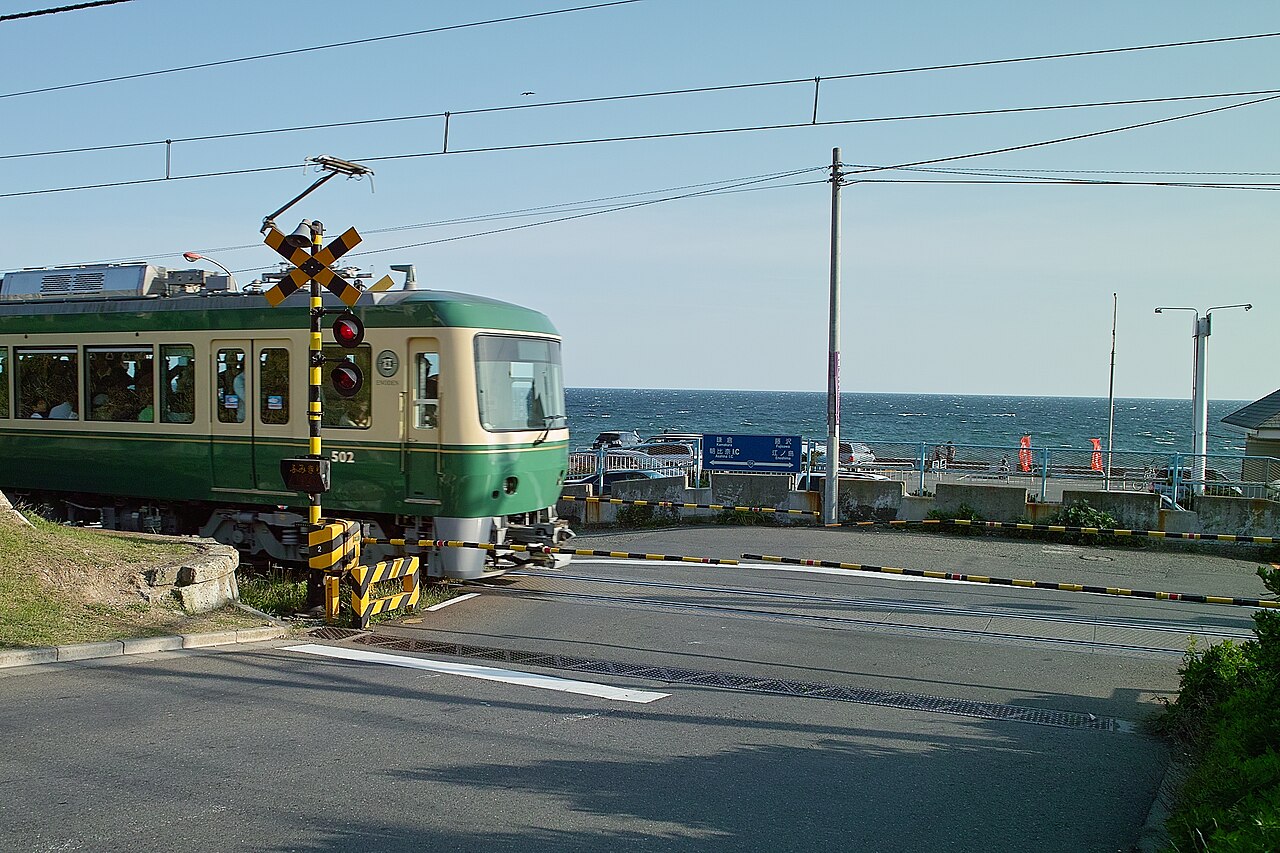
When the pass can save on transport
If you already want to visit Hase, take a break at Shichirigahama, continue toward Enoshima and return to Kamakura, the fourth example totals ¥900 in ordinary fares and the pass saves ¥100. If you will actually use a participating facility’s benefit, compare its conditions as well.
When ordinary fares are enough
If you are just visiting the Great Buddha and Hasedera, a return journey to the same station may be all you need. Our Hase day-trip itinerary budgets ¥400 for Kamakura–Hase return. Adding stops solely to recover the pass price reduces rest time and may add food and admission costs.
Recalculate if rain or crowds could make you cancel a stopover, or if you will leave via JR or Odakyu from Fujisawa. The pass does not remove boarding queues. A small saving alone is not a good reason to overfill the day.
Do not count benefits you may not use
Enoden’s common benefit conditions limit use to the ticket’s valid day and once per person at each facility. Check the intended facility’s eligible products, hours, opening days, reservation and ticket-presentation conditions. This comparison assigns no cash saving to benefits you may not use.
Check paper and digital conditions separately
Paper tickets: station ticket machines
Official information lists ticket machines at all Enoden stations and authorised sales outlets. A paper ticket is valid only on its issue date, so check the date before buying. The regular-ticket information referenced here does not state that advance train reservations are required.
EMot digital tickets: a smartphone is required
Purchase options include the EMot app and EMot Online Tickets. PCs and tablets are not supported. The official process is to select the travel date and adult/child category, activate the ticket using “Use” when starting travel, and scan its QR code at the station reader when boarding and alighting. Only one ticket can be used per smartphone; groups need to transfer tickets to each person’s smartphone as instructed.
If connectivity, battery life or other travellers’ devices are a concern, consider paper tickets too. Check the current sales screen for digital advance-purchase availability, transfers and cancellation conditions. Do not assume paper-ticket rules apply unchanged to every sales service.
Refunds and combining discounts
Enoden’s FAQ says Noriorikun refunds are available before use and within validity, with a ¥220 handling fee. Product information says no refunds after travel has begun and no combination with group, disability or similar discounts. Confirm sales-channel-specific handling for digital purchases with the relevant seller. If another discounted fare applies, compare against that fare first.
Official sources
Checked . Availability, prices and conditions may change. Sources are primarily in Japanese.
- Enoden: Noriorikun day pass — price, coverage, paper tickets, common benefit conditions, discounts and refunds.
- Enoden: fares — ordinary adult and child fares used in the calculations.
- EMot: digital Noriorikun — devices, date/category selection, activation, QR codes and transfers.
- Enoden: FAQ — refund conditions before use.
- Enoden: participating facility benefits — check conditions for the facility you intend to use.
This compares the regular pass with ordinary fares. It is not a lowest-price comparison of all bundled tickets or travel products. The photograph is used under the licence credited above. Confirm your own conditions with official sellers before making purchases or reservations.