English / 日本語
Kyoto / Arashiyama · Half day on footA slower half day in Arashiyama: Tenryuji, bamboo and Togetsukyo Bridge
/ Official information checked 26 October 2026
Leave room to pause in a garden. This walking plan links Tenryuji, the bamboo path and Togetsukyo Bridge, with lunch and a break before returning to JR Saga-Arashiyama Station.
This is a researched itinerary proposal, not a first-person travel account. Timings and walking allowances are suggestions; food costs are estimates. Admission fees and visitor rules are official information checked on the date above. This is not a guarantee of opening on any particular date.
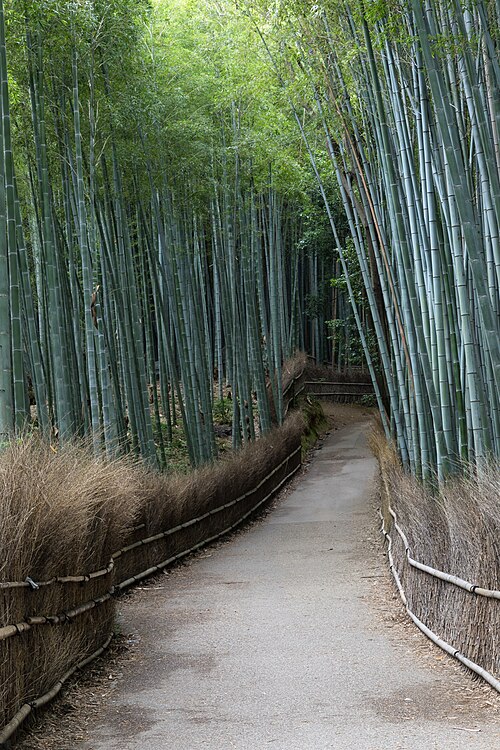
A five-hour walk, starting and ending at the same station
Start at JR Saga-Arashiyama Station, visit Tenryuji’s garden, leave by the north gate for the Bamboo Grove, then head toward lunch and Togetsukyo Bridge before returning to the station. Keeping to these three stops leaves room for slow walking and queues. The scenic railway, river boat trip and additional temples are outside this plan.
Allow approximately 9:00–14:00. The local adult budget is ¥2,300–3,700, excluding the return fare to Saga-Arashiyama from your starting point. Travel light and wear suitable shoes. This is a walking itinerary with slopes and outdoor sections; shorten the bamboo walk if the distance or crowds become uncomfortable.
| Time | Plan |
|---|---|
| 9:00–9:20 | Walk from JR Saga-Arashiyama to Tenryuji. The temple’s official estimate is 13 minutes; allow 20 for finding the route. |
| 9:20–10:30 | Allow about 70 minutes for admission, the garden and a pause. The temple buildings are not included in the basic plan. |
| 10:30–11:20 | Leave through the north gate and walk a manageable section of the Bamboo Grove. Keep the path clear when taking photographs. |
| 11:20–12:30 | Head back toward the bridge area for lunch. Choose another restaurant if a queue would consume the afternoon. |
| 12:30–13:15 | Enjoy the view around Togetsukyo Bridge. Crossing and returning is optional, depending on weather and energy. |
| 13:15–14:00 | Return to the station with time for a drink. Kyoto’s official bridge page gives an 11-minute walk to the JR station; this plan allows extra time for crowds, crossings and rest. |
Garden admission and temple buildings are separate
Tenryuji’s garden costs ¥500 for high-school age and above, ¥300 for elementary and junior-high pupils, and is free for younger children. It opens at 8:30, with last admission at 16:50 and closing at 17:00. The temple buildings cost an additional ¥300: opening hours are 8:30–16:45, last admission 16:30.
Nearby dates to check: the detailed Japanese official guide lists building access suspended until about 11:30 on 29 October 2026 and until about 12:30 on 30 October. These are not notices of all-day closure of the entire garden. The Cloud Dragon ceiling in the Dharma Hall has separate fees and opening arrangements and is excluded here. The English official guide describes closures less precisely; this article uses the detailed Japanese notice. Recheck current notices before travelling.
The ordinary individual visitor guide reviewed does not state that advance booking is mandatory. Group visits, special access and meals have separate conditions. Finish the garden areas you want to see before leaving by the north gate; this route does not depend on re-entry.
Keep the bamboo walk and bridge visit manageable
Kyoto’s official tourism page describes the Bamboo Grove path as approximately 400 metres from Nonomiya Shrine past Tenryuji’s north gate toward Okochi Sanso. Admission to Okochi Sanso is not included. The nearby municipal bamboo strolling area is a separate space; its opening hours should not be applied to the whole Bamboo Grove path.
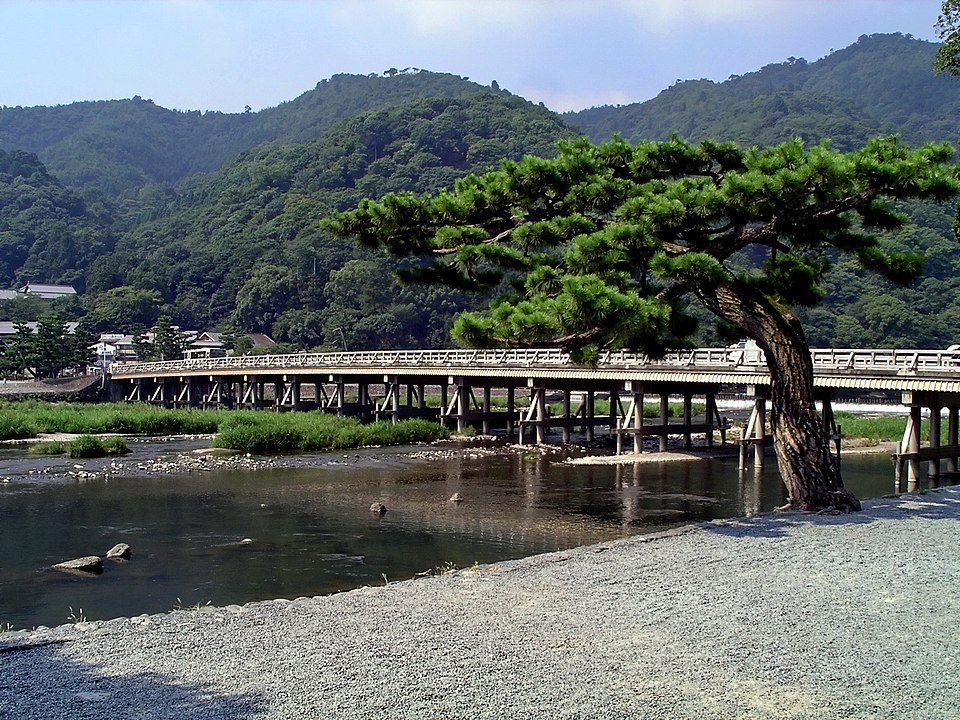
At the bridge, enjoy the view without blocking pedestrians. The route does not require descending to the water’s edge. On a crowded day, shorten the outdoor stops and preserve time for lunch and the return journey. The green foliage in these archive photographs does not show conditions on the publication date.
Local budget: ¥2,300–3,700 per adult
| Item | Amount | Basis |
|---|---|---|
| Tenryuji garden | ¥500 | Official adult fee; buildings and Cloud Dragon excluded. |
| Lunch | ¥1,200–2,000 | Editorial allowance, not a restaurant quotation. |
| Break / drinks | ¥500–900 | Estimated allowance. |
| Contingency | ¥100–300 | Estimated allowance for incidental drinks and similar costs. |
| Total | ¥2,300–3,700 | Travel to/from the station, shopping and extra admissions excluded. |
Adding the buildings on a wet day increases the budget by ¥300, to ¥2,600–4,000 with the same food allowances. Check your rail fare separately with the operator: it depends on your starting point and connections. This walk does not assume that you need a transport pass.
Rain: shorten the outdoor route
In light rain, check that the buildings are accessible and combine them with the garden, shortening or omitting the bamboo and bridge stops. Return to the station after lunch. There are still outdoor sections, so this is not an entirely sheltered itinerary. On building closure days, do not rely on the buildings as the indoor alternative; consider another day.
In heavy rain, strong winds, high river levels or transport disruption, consider postponing or cancelling. Check rail services, temple notices and weather before leaving, and leave spare time for your return connection.
Official sources
Checked . Fees, hours and access restrictions may change.
- Tenryuji detailed Japanese visitor guide: admission, hours, restricted dates and station access; English guide.
- Kyoto official tourism: Bamboo Grove path and Togetsukyo Bridge (Japanese).